Planning that supports field execution
Ignis supports early-phase planning by aligning subsurface understanding with engineering design and operational requirements. The goal is to translate technical inputs into executable plans that support safe delivery, interface clarity, and compliance-ready review.
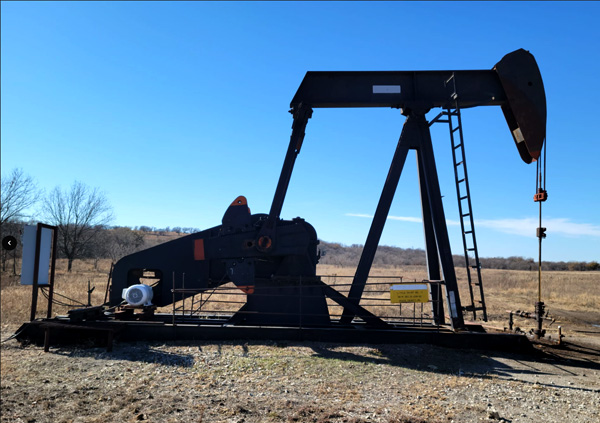
Planning, coordination, and early risk identification
- Subsurface evaluation support
- Well design coordination
- Early identification of technical and operational risk
- Regulatory and execution readiness
Planning outputs emphasize clarity, traceability, and disciplined assumptions to support engineering review, downstream execution, and alignment with safety and environmental requirements.
From subsurface understanding to executable design
Ignis integrates geological, geophysical, and engineering inputs to translate subsurface understanding into executable well designs aligned with downstream execution. Interfaces are defined early to reduce ambiguity and support controlled handoffs into construction and completions.
Well design coordination is structured to align technical intent with operational constraints, contractor requirements, and field readiness expectations to support predictable execution.
Planning interfaces directly into construction and broader lifecycle execution.
Early uncertainty management and readiness
Early identification of uncertainty enables mitigation planning, regulatory readiness, and alignment with safety and environmental requirements. Interfaces between subsurface evaluation, engineering, and execution teams are defined to support disciplined assumptions and clear decision pathways.
Controlled handoffs into construction reduce execution risk by ensuring requirements, constraints, and documentation expectations are understood before field mobilization.